
Are you getting tired of travelling to tourist-crowded cities like Kyoto and, more recently, even Kanazawa?
Members of the Australia Japan Society are what I like to call the “old-timers” of Japan lovers who have a very deep relationship with the country.
Many of these hard-core Japan lovers are now exploring places that are less well known — destinations such as the Shikoku 88 pilgrimage or the beautiful but often overlooked Tohoku region.
One place that surprised us completely was Hakodate.
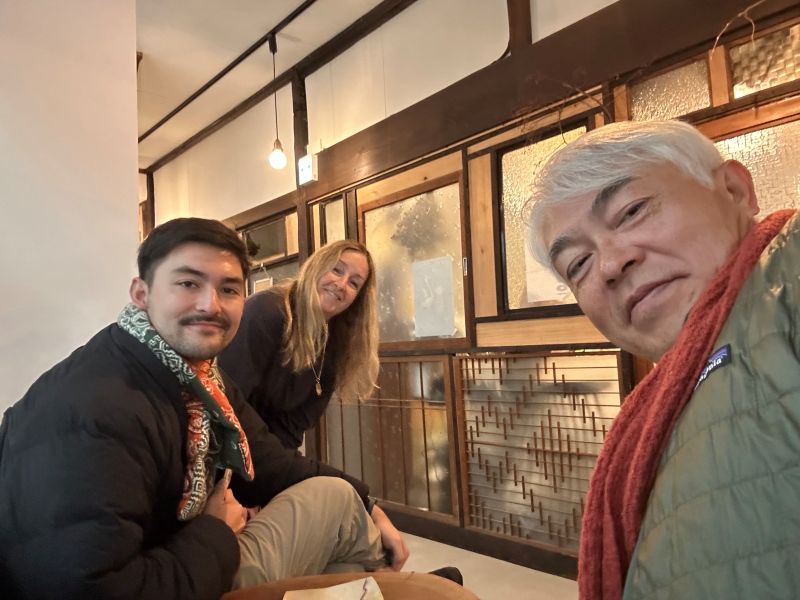
Hakodate is definitely off the beaten track, and even as local I must admit we discovered its charm almost by accident. During COVID, my wife Therese and I decided to work remotely there for a week. What began as a temporary stay quickly turned into something much more meaningful — and eventually a place where we decided to invest.
Perched at the southern tip of Hokkaido, Hakodate has long been a place where East meets West. As one of the few ports open to international trade in the late samurai period (yes the movie Last Samurai with Tom Cruise was based on a the last battle in Hakodate between samurai’s and the modern government), the city still carries a unique blend of Japanese and Western influences. Vintage trams run through town, historic Western-style buildings sit alongside traditional homes, and the relaxed pace of a port city makes it wonderfully walkable.
And of course, there is the food. Hakodate is a paradise for seafood lovers, with lively morning markets and a strong local food culture that makes everyday dining a joy.
At the same time, we noticed something else: many beautiful historic buildings sitting empty and slowly falling into disrepair (my architect calls the city Akiya treasure hunting Mecca!). Like many regional cities in Japan, Hakodate faces the challenges of a declining and ageing population, and with it the growing akiya problem.
With so many akiya across Japan, we know we won’t be able to save them all. But one small contribution we can make is to reuse and upcycle beautiful old fixtures, fittings, and abandoned furniture found in these buildings. Many of these pieces carry remarkable craftsmanship, and giving them a second life reflects a broader philosophy of heritage preservation and sustainability.
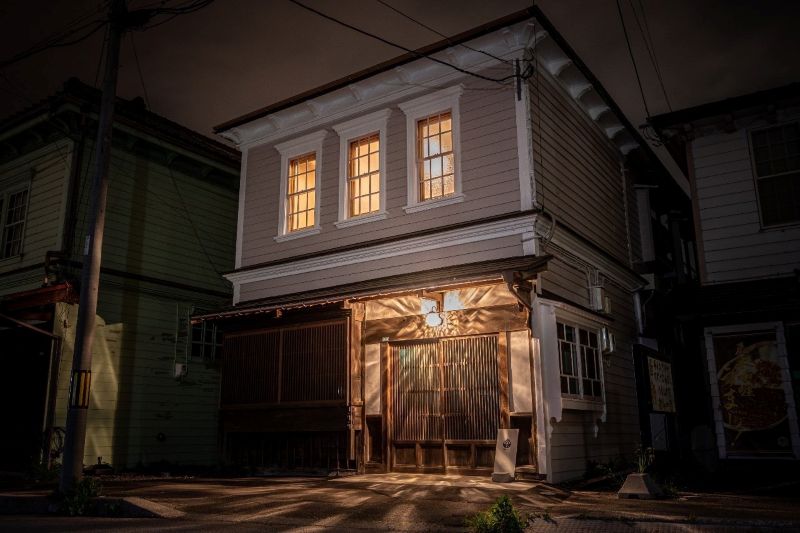
Hakodate is somewhat unique in Japan in that heritage-listed buildings can still occasionally be found for restoration and investment, creating opportunities to preserve these structures while bringing new life back into the community and the rapidly growing inbound tourists.
Our growing connection with the city eventually led us to become involved in a number of small exciting restoration projects. One of the most meaningful of these has been a project we call T9 (based on the fact that it was built in 1920, ie Taisho year 9)
Before T9, we completed a smaller restoration project called Aremo Koremo (meaning “this and that” in Japanese), transforming a charming old pink akiya into a small retail space now home to a funky craft beer bar, café, florist and hairdresser. To our great surprise, the project received one of Japan’s prestigious Design Awards in 2024 for its unique architecture design.
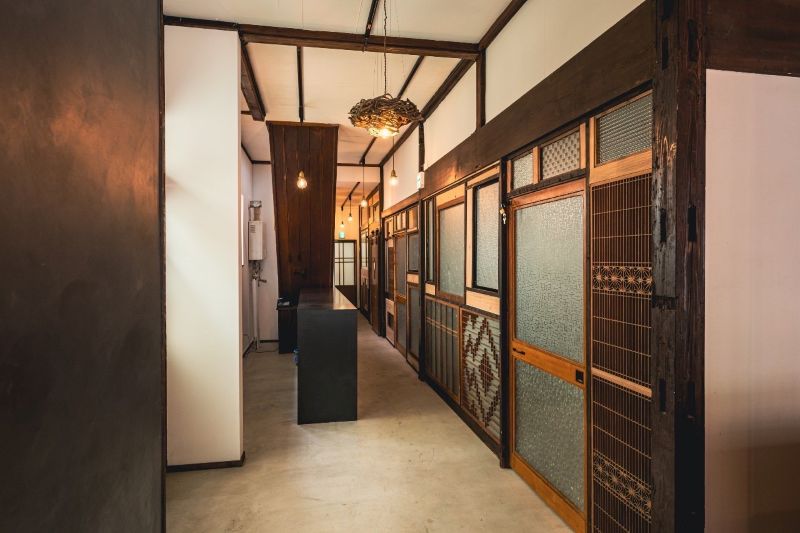
Our new project, T9 Hakodate, is set across the road within a restored Taisho-era building and is being reimagined as an intimate boutique hotel (we call it Artisan Heritage hotel) with just five thoughtfully designed rooms with different colors of Hakodate. The vision is to create more than simply a place to stay — the space will also include a craft brewery and lounge space designed to celebrate art, culture and community.
The hotel portion of T9 is scheduled to open in April 2026, followed by a brewery and lounge space.
Our hope is that projects like T9 can play a small role not only in supporting Hakodate’s future, but also in demonstrating how small akiya conversion even by private investors can contribute to heritage preservation and sustainable revitalisation (even financially) — challenges that many regional cities in Japan and around the world increasingly face.
If any AJS members find themselves in Hakodate, please feel free to drop by and say hello. You can learn more about the project on the T9 Hakodate homepage or follow our journey on Instagram @t9_hakodate.
………………………………………………….
About the Author
Tak Adachi served as Queensland Government’s Senior Trade and Investment Commissioner for North Asia based in Tokyo for the past 21 years, following an international career with European and American banks and consulting firms.
An avid property investor since the age of 28, Tak has a particular passion for finding neglected buildings and transforming them into sustainable and profitable new uses.
He has now retired to focus fully on his property and boutique hotel projects across Japan.
His accommodation website covering properties from Sapporo to Tokyo and Okinawa will be launching shortly at www.cooee-japan.jp.